Florida's Best PoolsTraining Academy
Pillar guide · 16 articles

Commercial Pool Operations: Feeders, Controllers, and Facility Systems

Commercial pools don't survive on the residential playbook. Automated feeders, ORP controllers, code-compliant ventilation, and NEC Article 680 — this pillar is the commercial operator's reference.

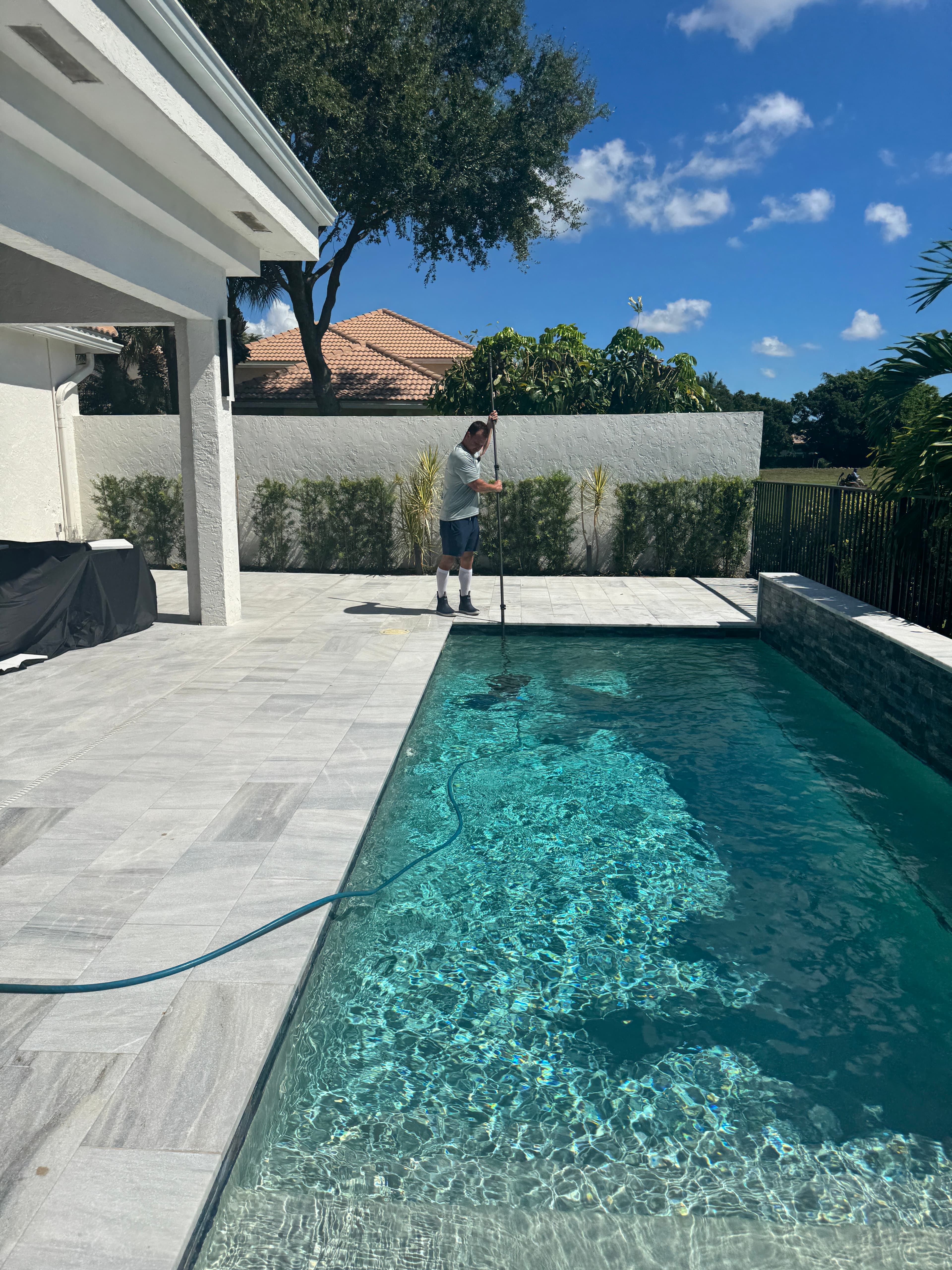
Commercial Pool Operations — ambient photo

Commercial pools don't survive on the residential playbook. Automated chemical feeders, ORP and pH controllers, code-compliant ventilation, and NEC Article 680 electrical safety — this pillar is the commercial operator's reference.

The commercial stack

A typical commercial pool automation stack looks like this, from the pool outward:

  1. Sensors: ORP probe, pH probe, flow switch, temperature probe.
  2. Controller: PLC or microcontroller reading sensors and driving relays.
  3. Chemical feeders: peristaltic pumps (liquid) or gas regulators (chlorine gas), erosion feeders (tablets).
  4. Heating: gas heater, heat pump, or geothermal — usually with modulating control.
  5. Ventilation (indoor): source-capture extraction at water surface, plus general dehumidification.
  6. Telemetry: remote monitoring, alarm outputs to a building automation system or operator phone.

What changes for a commercial operator

  • Chemical feed is metered, not thrown in from a scoop.
  • Documentation is required — log entries are a legal artifact.
  • Accessibility and safety codes are enforced, not optional.
  • Failure modes get people sick — so redundancy matters.

Guides in this pillar

All guides in this pillar

7 min read
Chemical Feeders (Erosion, Peristaltic, Gas)

The automation layer between a bag of chemical and balanced water. Feeder types, maintenance, and failure modes.

Read guide →
6 min read
ORP and pH Controllers

What ORP actually measures, why it isn't a ppm replacement, and how to calibrate and maintain commercial probes.

Read guide →
6 min read
Pool Heating & Energy Efficiency

Heat-loss breakdown (70% evaporation), heater types compared, COPs, and why pool covers are the cheapest efficiency upgrade.

Read guide →
6 min read
Indoor Pool Ventilation & Air Quality

Why indoor-pool air is a disinfection issue, source-capture ventilation, ASHRAE 62.1 minimums, and dehumidification systems.

Read guide →
7 min read
Electrical Safety, Bonding, and Lockout/Tagout

Why pool electrocutions are preventable, NEC Article 680 bonding requirements, and the lockout/tagout protocol for service.

Read guide →
7 min read
Commercial vs. Community Pool Differences

Tighter chemistry ranges, faster turnovers, operator certification, record-keeping, and fecal/health response protocols.

Read guide →
6 min read
Understanding High Bather Load Impacts

What each bather actually introduces, the 10-30x load difference for rentals, and how chemistry consequences scale.

Read guide →
6 min read
Increased Service Frequency for Rentals

The three rental service tiers, what determines the right one, pricing models, and emergency response expectations.

Read guide →
6 min read
Pre-Check-In Chemistry Boosts

The 8-step boost protocol, why 24-48 hours is the right window, and coordinating with turnover cleaning.

Read guide →
6 min read
Sanitation Protocols for Guest Safety

Florida Chapter 64E-9 requirements, fecal/vomit/blood incident response, and when to decline an unsafe contract.

Read guide →
6 min read
Quick-Clear Fixes for Cloudy Water After Heavy Use

Mid-stay cloudy-water recovery, root cause diagnosis, and when 4 hours isn't enough — plus the prevention that avoids it.

Read guide →
6 min read
Cover Usage and Turnover Cleaning

What turnover crews should handle, what they shouldn't, and the coordination checklist that prevents handoff failures.

Read guide →
6 min read
Communication with Property Managers

What property managers actually want, the communication cadence that works, escalation protocols, and scaling the relationship.

Read guide →
6 min read
Handling Peak Rental Seasons

Florida's rental peak calendar, pre-season preparation, staffing for peaks, and post-peak recovery.

Read guide →
6 min read
Upselling Rental Add-Ons

High-ROI upgrades for rental properties, how to present ROI to property managers, and proposals that get approved.

Read guide →
6 min read
Review Protection for Rental Pools

Pool-related review complaints, the review-impact math, and how service companies protect 5-star ratings.

Read guide →
Related pillars

Keep exploring

Pool Water Chemistry

Master pH, chlorine, alkalinity, CYA, and hardness. The single most important skill for clear, safe water.

Pool Cleaning & Maintenance

Skim, brush, vacuum, and service your filter. A disciplined weekly routine prevents 90% of pool problems.

Troubleshooting Pool Problems

Cloudy water, algae, stains, foaming — every problem has a cause. Here's how pros diagnose and fix them.

Pool Equipment

Understand what every piece of your equipment pad does — and how to get more years out of it.

Pool Safety

Florida pool safety standards, VGB drain covers, fencing code, and the emergency response every operator should know.

Florida Pool Care

Hurricane prep, year-round operation, hard water, screen enclosures, and the challenges unique to Florida.

Spa & Hot Tub Care

Spas are not small pools. Higher temps, smaller volume, higher bather load — different rules.

For Pool Technicians

CPO certification, tools of the trade, route building, and Florida licensing for pool techs.

Pool Math & Calculations

Pool volume, chemical dosage, and breakpoint math. The numbers behind every safe, correctly-dosed pool.

Disinfection Theory & Chemistry

The HOCl vs. OCl equilibrium, CT values, and disinfection by-products. The science every CPO-level operator needs to know.

Recreational Water Illness (RWI) Prevention

Cryptosporidium, fecal incident response, and the RWIs that close pools. The CDC-compliant playbook.

Pool Hydraulics & Circulation

Turnover rate, total dynamic head, cavitation, suction entrapment, and the physics of making water move through a pool.

Filtration Engineering

Filter media rate, micron ratings, sand vs. cartridge vs. DE, and what filters can and can't actually remove.

Compliance, Codes & Standards

The MAHC, ANSI/APSP/ICC standards, ADA accessibility, and the federal alphabet soup of pool regulation.

Florida Pool Licensing & Regulations

Every Florida pool license explained in plain English — what each one lets you do, how to get it step-by-step, and which counties make it harder.

Pool Plaster Startup & New Builds

New plaster has a 30-day chemistry window. Do it right and the surface lasts 15–20 years. Do it wrong and you're looking at etching, scaling, and a warranty void.

Records & Risk Management

Required daily logs, incident reporting, operator duty of care, and the documentation that defends you in court.

Ready for a pool that takes care of itself?

Get a quote from our team. No pushy sales calls — just a clear price and a start date.

Request a Service QuoteSee Services